
The BEAR® Implant serves as a bridge to restore the patient’s native ACL, enabling the knee joint to function more naturally
"Talking to someone who had already gone through it made us feel much more confident moving forward."

Ellen
Connect with a patient or parent who's been there...
Chat with a Mentor*Quotes are from real PatientPartner mentors and mentees. All images are actor portrayals. Experiences are not specific to the BEAR Implant Mentor Program.

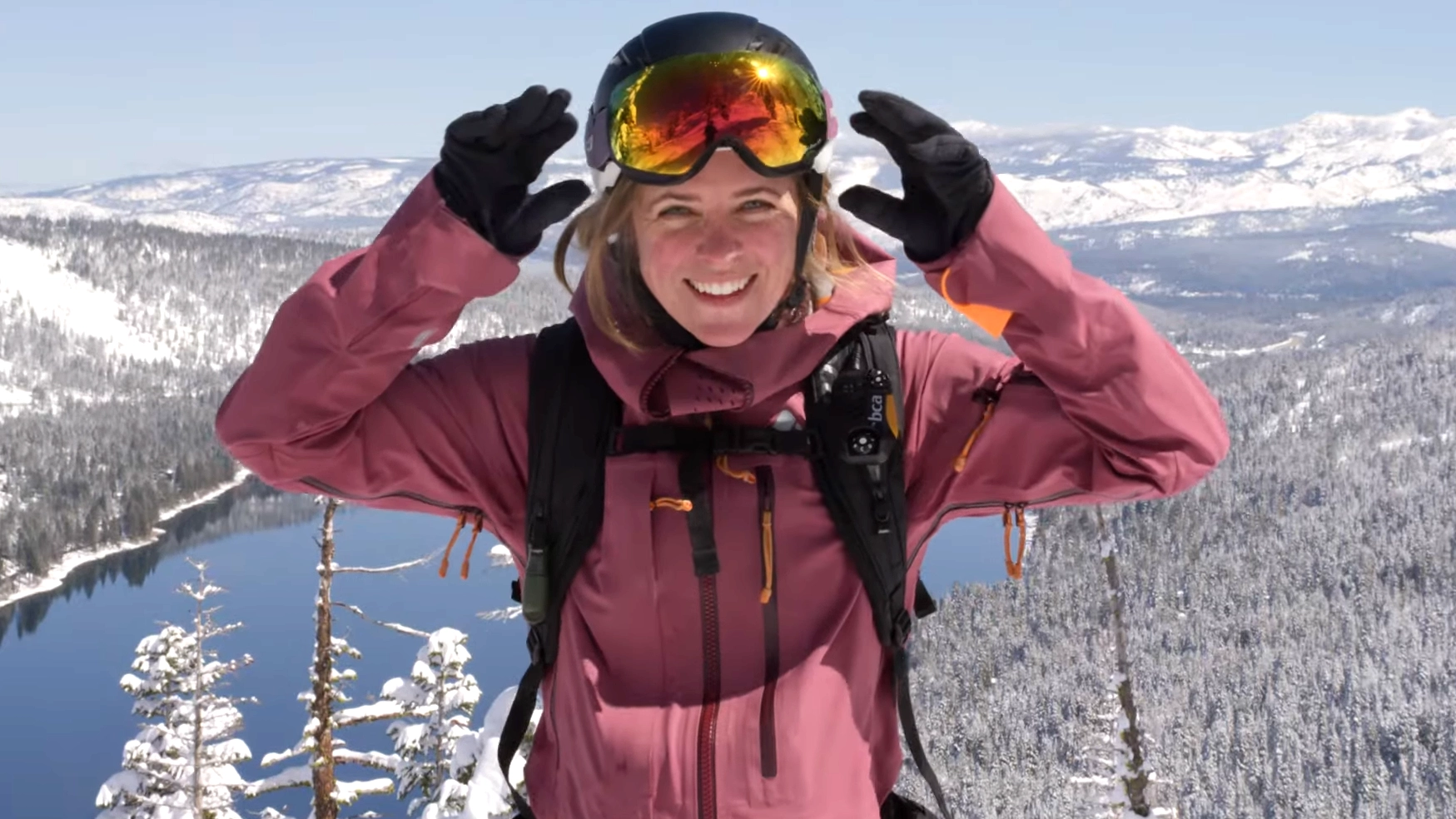
When professional big mountain / free ride skier Kelsey tore her ACL, she chose to restore it with the BEAR Implant. Hear from Kelsey and her surgeon about how she's doing two years later.
Watch Video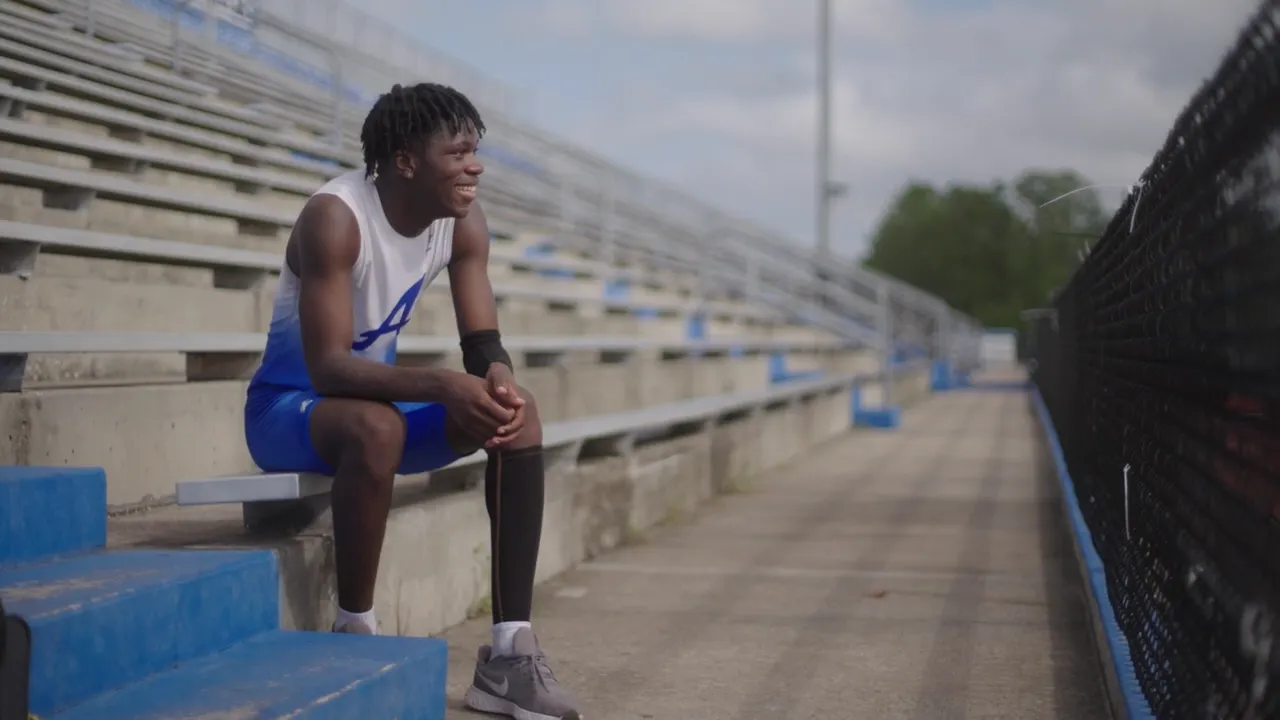
When Antonio tore his ACL, he worried that he’d be able to run and jump the same. After BEAR Implant surgery and months of rehab, he's back to running track and has Olympic goals in his sights.
Watch Video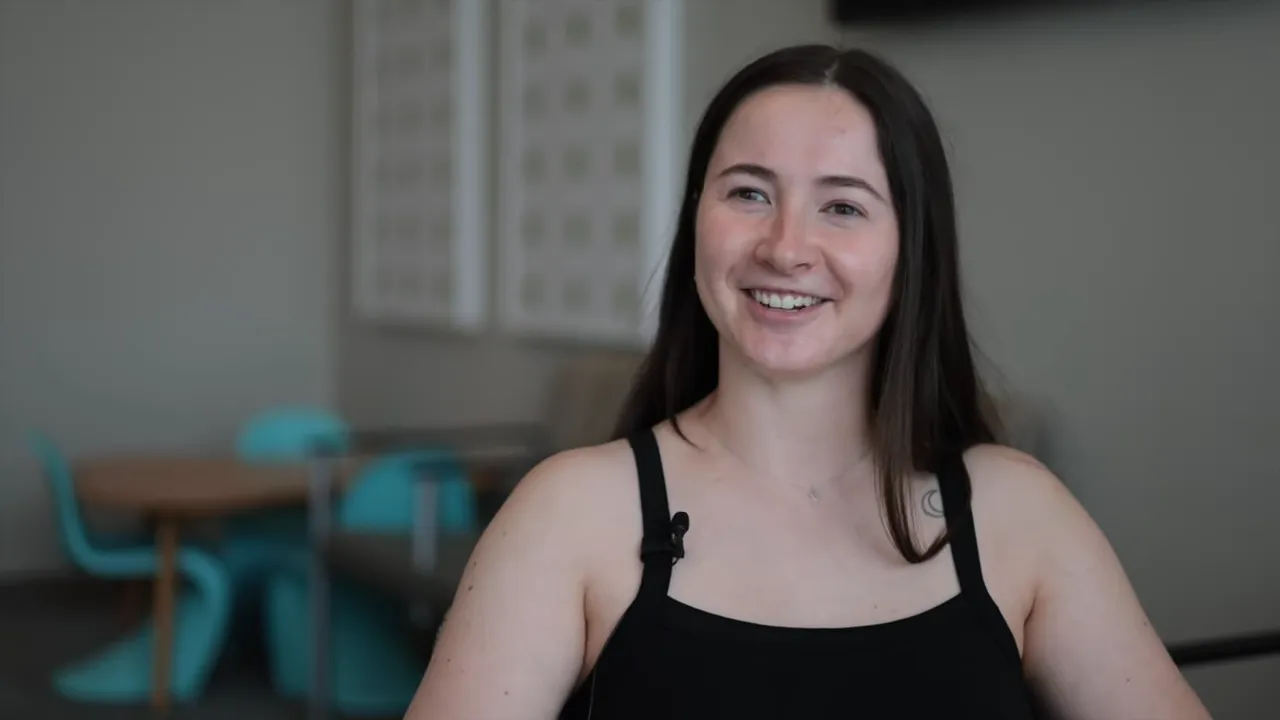
After Cheyenne tore her ACL playing a pick-up game, the athletic trainer became the first person in Nebraska to receive the BEAR Implant. See her recovery journey and how she’s doing one year later.
Watch Video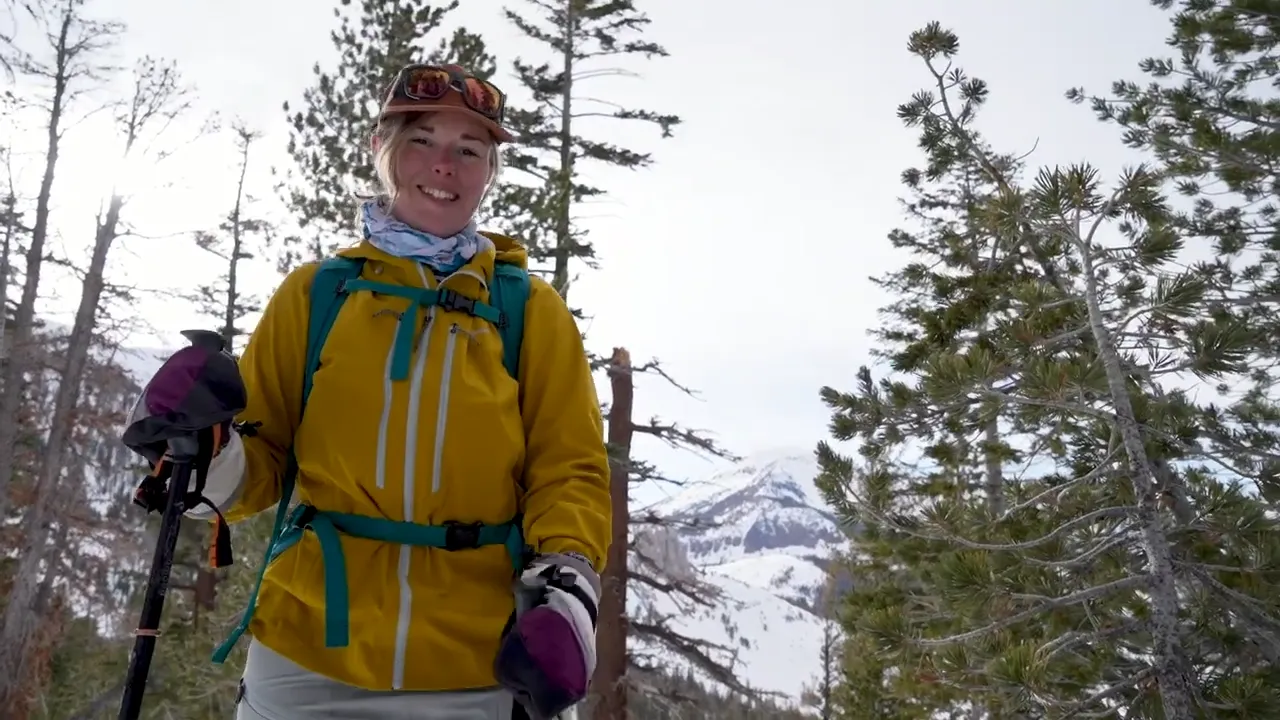
When Lexie tore her ACL skiing, she searched for a different approach to surgery, having previously had an ACL reconstruction on her other knee. Watch her BEAR Implant story, including her rehab journey and return to skiing.
Watch Video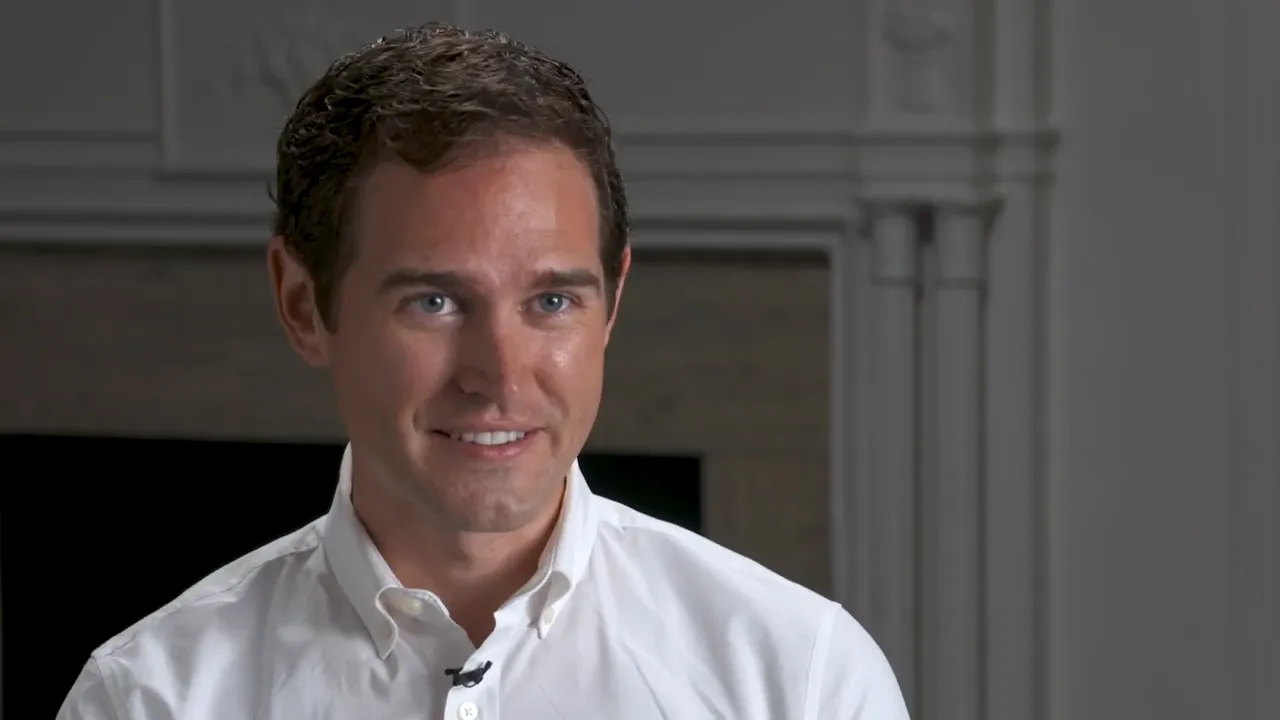
In 2015, Corey became the first person to receive the BEAR Implant as part of early clinical trials. Learn about his story and surgical options for ACL tears, including the BEAR Implant.
Watch Video
By enabling the formation of a blood clot around the two torn ends of the ACL, the BEAR Implant creates a protective environment where your knee can heal on its own.

Autologous whole blood is combined with the BEAR Implant to form a clot that shields the two torn ends of the ACL from the harsh synovial fluid, creating a protective environment conducive to healing.


The BEAR Implant facilitates the body's own natural healing response by supporting cell migration and proliferation.
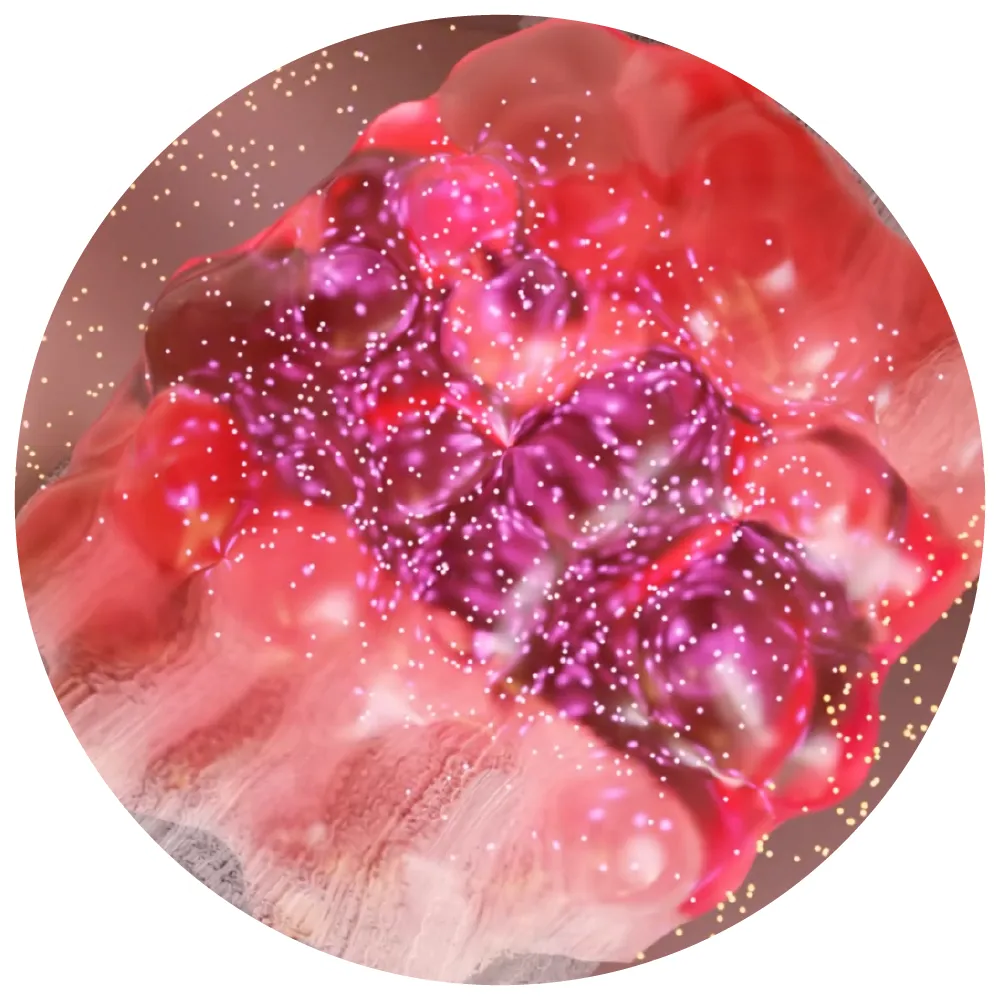
Within eight weeks, the BEAR Implant is resorbed and replaced with native cells, collagen and blood vessels. The new tissue continues to remodel and strengthen over time.
ACL tears are often treated with surgery call ACL reconstruction (ACLR), which is typically effective but often comes with drawbacks; many people are unable to return to the same level of daily activities or sport.
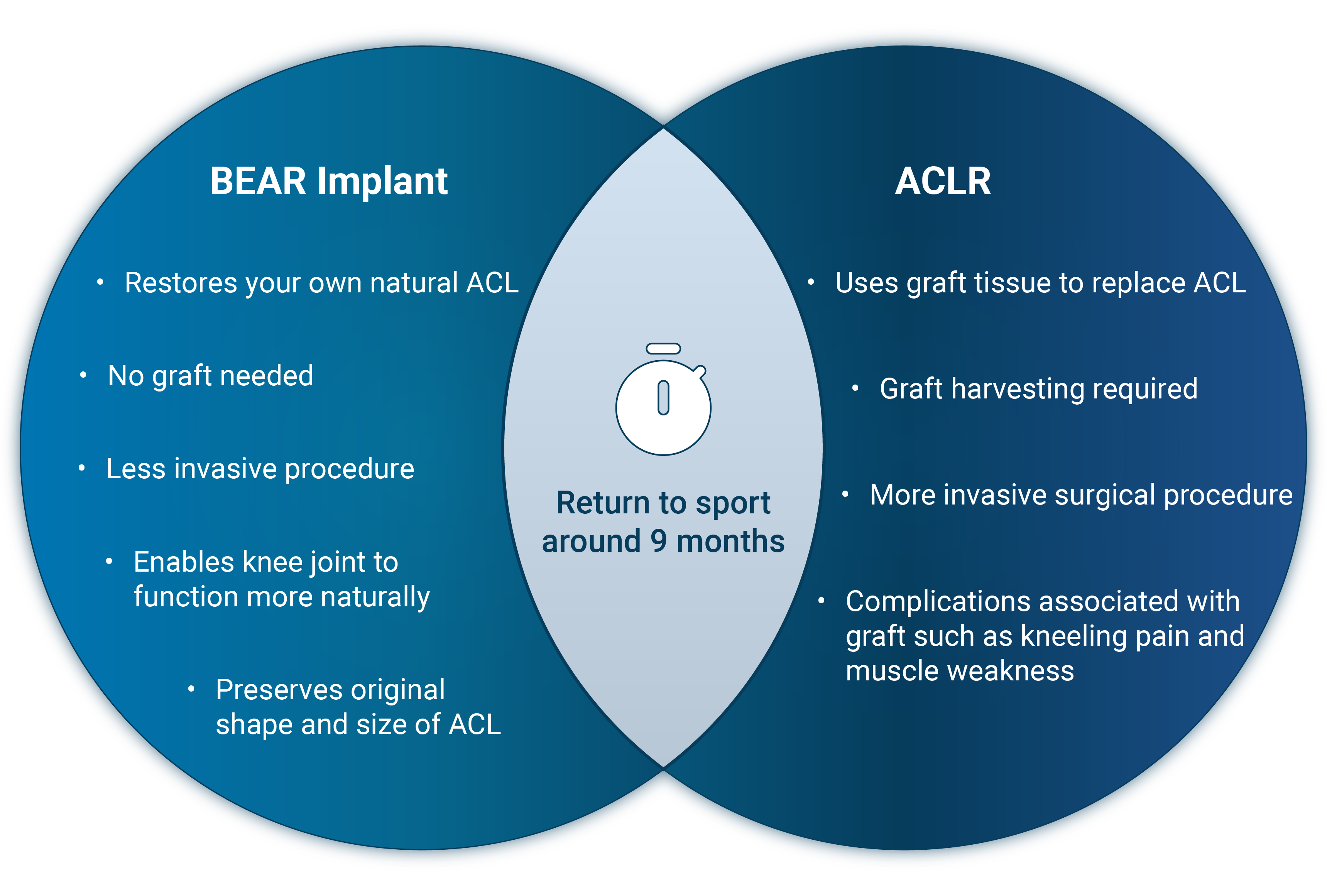
You may be eligible for the BEAR Implant if you have a partial or complete ACL tear as confirmed by MRI. While patients in our early clinical studies were required to have surgery within 50 days of ACL injury, real world experience has shown ACL tissue quality, not time, determines eligibility for the BEAR Implant.
Children as young as 2 years old may be candidates for the BEAR Implant – learn more here.
Be sure to discuss your individual symptoms, diagnosis and treatment with your surgeon. The BEAR Implant has the same potential medical/surgical complications as other orthopedic surgical procedures, including ACL reconstruction. These include the risk of re-tear, infection, knee pain, meniscus injury and limited range of motion.
The BEAR Implant was cleared by the U.S. Food & Drug Administration and is indicated for adults, adolescents and children with a complete or partial rupture of the ACL, as confirmed by MRI. Patients must have an ACL stump attached to the tibia to construct the repair. Children with open physes must have sufficient bone in the femoral and tibial epiphyses on either side of the intended tunnel locations to avoid disruption of the growth plates.
It is important to follow the BEAR Implant rehabilitation program. Your surgeon or physical therapist can explain the program details.